
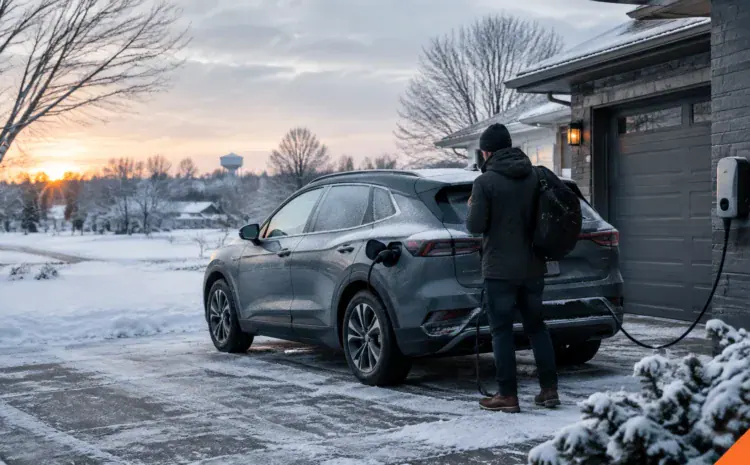
How to Prep Your EV or Hybrid for a Strathroy Winter
Winter can change how an electric vehicle or hybrid feels on the road. You may notice less available range, slower charging, or a different response from regenerative braking. These changes are often normal cold-weather behaviour, not necessarily signs that something is wrong.
A little preparation helps you start the season with more confidence. Here’s what to know about winter driving, routine maintenance, and the checks that can help your EV or hybrid handle the cold.
Why cold weather can reduce range
Cold affects electrified vehicles in several ways. Lithium-ion batteries operate less efficiently when they’re cold, so less energy may be available for driving until the battery warms up. At the same time, an EV must draw energy from its battery to heat the cabin. Lights, defrosters, wipers, and winter driving conditions add to the demand.
That can mean a noticeable drop in range during cold weather. The amount varies from vehicle to vehicle and depends on factors such as the temperature, trip length, driving style, and heating system. Short journeys can be especially demanding: the vehicle may use energy to warm itself, then be parked again before everything reaches its normal operating temperature.
Hybrids and plug-in hybrids are affected differently, but they aren’t exempt. Their fuel economy or electric-only range can also fall in the cold. The engine may run more often to warm up or help heat the cabin, particularly on short trips.
For a useful overview, see the U.S. Department of Energy’s guide to fuel economy in cold weather and the Alternative Fuels Data Center’s information on electric-vehicle maintenance.
Heat the car thoughtfully
When possible, use your vehicle’s scheduled departure or preconditioning feature while it’s still plugged in. This can warm the cabin, and, on vehicles designed to do so, the battery, before you leave. If energy for preheating comes from the charger, you can preserve more of the battery’s available energy for the drive.
A few practical habits can help, too:
- Use heated seats and a heated steering wheel if your vehicle has them. They warm you directly, often without needing to heat the entire cabin as much.
- Keep the windshield and windows clear. Comfort is important, but visibility is essential, so use the defroster as needed.
- Check your owner’s manual or vehicle settings for recommended winter charging and preconditioning practices.
- Leave yourself a sensible range margin for cold starts, detours, and changing road conditions.
The goal isn’t to shiver through your commute. It’s to warm the vehicle efficiently while keeping you comfortable and able to see clearly.
Expect regenerative braking to feel different
Regenerative braking helps an electrified vehicle recover some energy as it slows down. But when the battery is very cold, or nearly full, the system may limit how much energy it can accept. You might notice less regenerative braking, a different lift-off response, or more reliance on the conventional brakes until the battery warms up.
Follow your vehicle’s dashboard indicators and owner’s manual, and allow extra room to slow down. Don’t count on the same level of one-pedal deceleration in every condition. Snow and ice can reduce tire grip, too, so smooth inputs and sensible following distance matter.
Why friction brakes still need attention
Because regenerative braking handles much of the slowing in many EVs and hybrids, their conventional friction brakes may see less use. That can allow moisture and road salt to contribute to rust and corrosion on brake rotors and other components. A light film of surface rust may clear with normal use, but persistent corrosion can contribute to grinding, pulsation, sticking components, or other braking concerns.
Brake maintenance still matters, even if the vehicle’s pads seem to last a long time. A periodic inspection and appropriate cleaning or service can help identify corrosion before it becomes a bigger problem. The right interval and service depend on your vehicle and its condition.

If you hear persistent grinding, feel a pulsing brake pedal, notice the vehicle pulling while braking, or see a brake warning light, arrange an inspection. Cor’s Motors provides brake repair in Strathroy; a technician can assess the condition and explain what they find before recommending work.
Check tires and pressure as temperatures fall
Tires are your vehicle’s connection to the road, and winter makes that connection especially important. Proper winter tires can provide better cold-weather traction on snow, slush, and icy pavement. Choose tires that meet your vehicle manufacturer’s specifications, including the correct size and load rating.
Cold temperatures also affect tire pressure. Check it when the tires are cold, and inflate to the pressure listed on the vehicle’s door-jamb label or in the owner’s manual, not the maximum pressure printed on the tire sidewall. Check periodically through temperature swings, and have uneven wear looked at; it can point to an alignment or tire issue.
Winter tires may affect efficiency, but range isn’t the only consideration. Reliable traction and stopping control deserve priority when roads are slippery.
Don’t forget the 12-volt battery
EVs and hybrids have a high-voltage traction battery, but they also rely on a separate 12-volt auxiliary battery for many everyday electrical functions. A healthy traction battery doesn’t guarantee a healthy 12-volt battery. Cold weather can make a weak auxiliary battery more troublesome, and problems may show up as starting issues, warning messages, or electrical glitches.
A pre-winter check can assess the 12-volt battery and look for signs of wear or poor connections. Follow the vehicle manual if the battery needs a boost; procedures and connection points vary. Don’t attempt to work on high-voltage components yourself.
A winter-readiness checklist for EVs and hybrids
Some winter preparation is familiar, no matter what powers your vehicle:
- Check wiper blades and replace them if they streak or leave areas unclear.
- Use washer fluid rated for winter conditions and keep the reservoir topped up.
- Inspect winter tires, tread, and cold tire pressure.
- Confirm the 12-volt auxiliary battery is in good condition.
- Pay attention to brake noise, vibration, pulling, or warning lights.
- Review your owner’s manual for model-specific cold-weather guidance.
These basics can help you spot small concerns early and keep your vehicle ready for everyday winter driving.
What a shop check can cover
A maintenance-level winter inspection for an EV or hybrid can include checking the 12-volt battery, tires and pressure, wipers, washer fluid, visible brake condition, and other accessible items relevant to routine service. The specific checks depend on your vehicle and what you’re noticing.
If a concern points to the high-voltage battery, charging system, or another specialized component, an honest next step is to consult a qualified specialist for that work. A general maintenance inspection can help identify symptoms, but it isn’t a substitute for specialist diagnosis or high-voltage repair.
At Cor’s Motors, we’ll explain what we can inspect, share what we find, and discuss next steps clearly. If you’re looking for a mechanic in Strathroy or need auto repair in Strathroy, we’re here to help with practical maintenance advice for you and your vehicle. We serve Strathroy and the surrounding area from 164 Metcalfe St E, Strathroy.
Get your EV or hybrid ready for the season with a winter check at Cor’s Motors. Book an appointment online, call +1 (519) 245-0908, or visit corsmotors.com.