
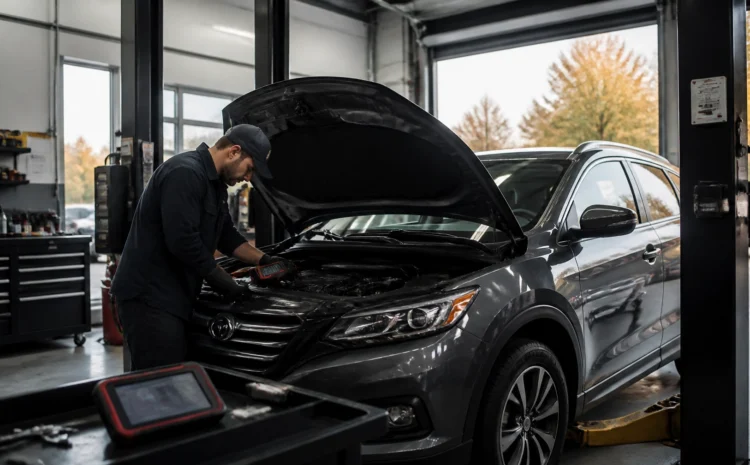
Don’t Get Stranded This Winter: The Strathroy Pre-Season Car Check Every Driver Needs
September is the perfect time to think about winter driving in Strathroy: not because snow is already on the forecast, but because the first cold snap has a way of exposing every weakness your vehicle has been quietly hiding.
A battery that seemed fine in July may struggle to start in freezing temperatures. Worn tires can lose their grip on slush. A weak defroster can turn a short morning commute into a visibility problem. And brakes that felt “good enough” on dry pavement may not inspire confidence when the roads are wet, icy, or snow-covered.
The solution is straightforward: schedule a pre-winter inspection before the rush begins.
At Cor’s Motors, our family-owned shop has supported local drivers with reliable service since 1962. With more than 60 years of combined experience, our technicians know that winter preparation is not about guessing or replacing parts unnecessarily. It is about inspecting the systems that matter, explaining what we find, and helping you make informed decisions.
Why September and Early Fall Are the Right Time
By mid-October, many Ontario drivers are already thinking about winter tires and cold-weather maintenance. That is also when repair shops become busier, appointments become harder to find, and worn components have less time to be addressed properly.
Booking in September or early October gives you time to:
- Identify small problems before they become breakdowns.
- Replace worn tires before the first major snowfall.
- Test your battery before a cold morning leaves you stranded.
- Repair brakes, lights, or wipers before winter reduces visibility.
- Plan maintenance around your schedule instead of an emergency.
Transport Canada’s winter vehicle preparation guidance emphasizes the importance of tires, visibility, fluids, and emergency supplies. These are not glamorous components, but they are the unsung heroes of winter driving.
1. Test the Battery and Charging System
Cold weather is demanding on your vehicle’s battery. As temperatures drop, the battery’s ability to deliver starting power decreases. At the same time, your vehicle may need more electrical energy for headlights, the heater blower, rear defroster, heated seats, and other accessories.
That combination can turn a marginal battery into a no-start situation.
A proper pre-winter battery check should include:
- Battery condition and available cranking power.
- Alternator output and charging performance.
- Battery terminals and cable connections.
- Signs of corrosion, swelling, cracking, or leakage.
- Drive belts that support the charging system.
A visual inspection is useful, but it cannot always reveal internal battery weakness. Diagnostic testing acts like a health check for the electrical system, showing whether the battery is ready for another winter or nearing the end of its service life.
If your engine has been cranking slowly, your lights flicker, or you have needed a boost recently, do not wait for the temperature to fall. Have the system tested now.
2. Prepare Your Tires for Slush, Ice, and Freeze–Thaw Roads
Tires are your vehicle’s only contact with the road. In winter, that small contact patch has to manage snow, freezing rain, standing water, uneven pavement, and sudden changes in traction.
For Southern Ontario drivers, winter tires are an important part of that equation. Winter compounds remain more flexible in colder temperatures, while their tread patterns are designed to help channel snow and water away from the tire.
Many tire experts recommend switching to winter tires when temperatures consistently reach approximately 7°C or lower. Do not wait until the first snowstorm. By then, installation appointments may be limited.

During a tire inspection, your mechanic should check:
- Tread depth and overall tread condition.
- Uneven wear that may indicate an alignment or suspension concern.
- Cracks, bulges, punctures, or sidewall damage.
- Tire age and rubber condition.
- Inflation pressure, including the spare tire.
- Wheel balance and the condition of the wheels.
Cold temperatures also reduce tire pressure. Check your pressure regularly and follow the specification on your driver’s door-jamb label or in your owner’s manual: not the maximum pressure printed on the tire sidewall.
If you are looking for auto repair in Strathroy, Cor’s Motors can help you assess your current tires and plan seasonal service for your vehicle.
3. Inspect the Brakes Before Road Conditions Get Worse
Stopping distances can increase dramatically when roads are wet, icy, or covered in packed snow. Your brakes need to work smoothly and consistently, especially when another driver stops suddenly or an intersection becomes slippery.
Pay attention to warning signs such as:
- Squealing, grinding, or scraping sounds.
- A brake pedal that feels soft or spongy.
- Pulling to one side while braking.
- Vibration through the steering wheel or pedal.
- A brake warning light on the dashboard.
- Longer stopping distances than usual.
A complete brake inspection may include the brake pads, rotors, calipers, brake lines, hoses, and fluid. Some wear is easy to hear, but not all brake problems announce themselves with noise. That is why a proactive inspection is valuable.
You can learn more about warning signs and repair decisions in Cor’s Motors’ guide to brake repair versus brake replacement.
4. Check Coolant, Oil, and Other Essential Fluids
Fluids perform important jobs in every season, but winter places additional stress on them. Coolant protects the engine from freezing and helps provide heat for the passenger compartment. Engine oil must flow properly during cold starts. Washer fluid needs to remain usable when temperatures drop well below zero.
Before winter, have these items checked:
- Coolant level and freeze protection.
- Cooling system leaks.
- Radiator hoses, belts, thermostat, and water pump.
- Engine oil level and manufacturer-recommended viscosity.
- Brake fluid condition and level.
- Windshield washer fluid rated for Canadian winter temperatures.
- Power steering fluid, if your vehicle uses a hydraulic system.
Never remove a radiator cap while the engine is hot. If coolant levels are low or you notice a sweet smell, coloured fluid under the vehicle, or an overheating warning, arrange an inspection promptly.
The right fluid matters, too. Mixing incompatible coolant types or using summer washer fluid in winter can create avoidable problems. Your owner’s manual and a qualified technician can help confirm what your vehicle requires.
5. Make Sure You Can See: and Be Seen
Winter darkness, road spray, frost, and snow can make visibility difficult even when your vehicle is mechanically sound. Wipers that worked adequately in summer may streak badly once the windshield is coated with salt and slush.
Inspect:
- Headlights and high beams.
- Tail lights and brake lights.
- Turn signals and hazard lights.
- Reverse lights.
- Windshield wipers and washer spray.
- Rear defroster and heated mirrors.
- Windshield condition and washer-fluid reservoir.
Replace wiper blades if they streak, chatter, skip, or leave unwiped sections. Consider winter-rated blades if ice buildup is a recurring issue. Fill the reservoir with winter washer fluid, and keep an extra jug in your garage or vehicle if you frequently travel outside Strathroy.
Clean the inside of the windshield as well. A thin film on the glass can amplify glare from headlights and streetlights, making nighttime driving more tiring and hazardous.
6. Have the Steering, Suspension, and Alignment Evaluated
Potholes, rough shoulders, curbs, and seasonal road damage can affect more than tire appearance. Steering and suspension components influence how your vehicle responds when you turn, brake, or encounter uneven pavement.
A pre-winter inspection may identify:
- Worn shocks or struts.
- Loose ball joints or tie-rod ends.
- Damaged control-arm bushings.
- Steering play or unusual looseness.
- Uneven tire wear caused by poor alignment.
- Wheel alignment concerns after impacts.
These systems are especially important on snow-covered roads, where predictable handling matters. If your vehicle wanders, bounces excessively, pulls to one side, or feels unstable over bumps, have it checked before winter arrives.
Cor’s Motors provides wheel alignments and steering and suspension service for all makes and models.
7. Pack a Practical Winter Emergency Kit
Even a well-maintained vehicle can encounter unexpected traffic delays, road closures, or severe weather. Keep a basic emergency kit in the vehicle, including:
- Ice scraper and snow brush.
- Warm blanket, gloves, hat, and extra clothing.
- Flashlight with spare batteries.
- Booster cables or a charged jump starter.
- Small shovel and traction material.
- Bottled water and non-perishable snacks.
- Phone charger or power bank.
- Reflective vest or warning device.
- First-aid supplies.
Clear snow from the roof, hood, trunk, windows, lights, and mirrors before driving. Loose snow can blow onto your windshield or another driver’s vehicle, creating a visibility hazard.
Make Your Winter Appointment Before the Rush
A pre-season inspection is a practical way to protect your safety, your schedule, and your repair budget. It gives you a clear picture of your vehicle’s condition while there is still time to address concerns calmly.
At Cor’s Motors, we combine advanced diagnostic tools with experienced, careful workmanship. We service all makes and models, explain what your vehicle needs, and provide honest, transparent pricing without hidden costs. Most importantly, we treat you like family and your car like our own.
If you need a trusted mechanic in Strathroy, contact Cor’s Motors at 519-245-0908 or book an appointment online. We are located at 164 Metcalfe St E, Strathroy, ON, and we are open Monday through Friday from 7 a.m. to 5 p.m.
The cold will arrive when it arrives. Your vehicle does not have to be caught unprepared.